FREE Sketch Software Icon: A Strategic Tool for Creativity and Branding
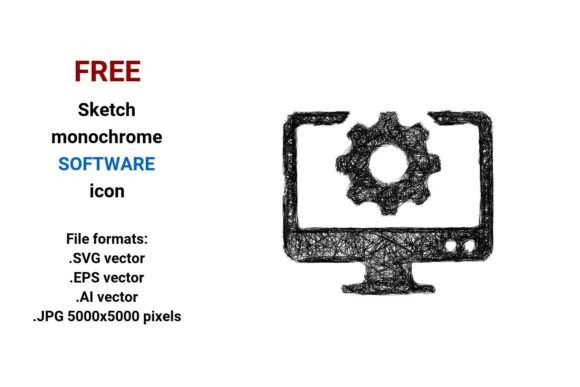
In the fast-paced world of digital design and software development, visual elements play a crucial role in communication, branding, and user experience. One such element that has gained popularity among designers, developers, and entrepreneurs is the FREE Sketch Software Icon. This icon, available in multiple file formats including .SVG vector, .EPS vector, .AI vector, and .JPG 5000x5000 pixels, offers a versatile solution for those looking to incorporate a sketchy, artistic, or monochrome aesthetic into their projects.
The Power of Vector Images in Design
A vector image is more than just a graphic—it's a digital representation built from mathematical equations that define points, lines, and curves. Unlike raster images, which can lose quality when scaled, vector images maintain clarity at any size. This makes them ideal for use across various platforms, from mobile apps to large-scale print materials.
The FREE Sketch Software Icon is a prime example of how vector graphics can be used strategically. Its clean, scalable design allows it to be integrated seamlessly into applications, websites, and branding assets without compromising quality. Whether you're building a new app or designing a marketing campaign, this icon provides a consistent visual language that supports your overall message.
Why Use the FREE Sketch Software Icon?
There are several reasons why the FREE Sketch Software Icon is strategically useful. First, its sketch style adds a sense of creativity and personality to otherwise sterile digital interfaces. This is particularly valuable in industries like technology and application software, where innovation and user engagement are key.
Second, the availability of the icon in multiple formats—.SVG, .EPS, .AI, and .JPG—ensures compatibility with a wide range of tools and platforms. From Adobe Illustrator to web-based design environments, the flexibility of these formats means you can adapt the icon to fit your specific needs.
Finally, the black and white or monochrome version of the icon offers a minimalist approach that aligns well with modern design trends. It can be used as a button icon, software button, or application software icon, enhancing usability while maintaining a professional appearance.
Strategic Use Cases for the FREE Sketch Software Icon
The FREE Sketch Software Icon is not just a decorative element—it’s a strategic asset. Here are some practical use cases:
- Branding and Identity: Incorporating the icon into your brand’s visual identity can help create a cohesive look across all touchpoints. It reinforces your commitment to simplicity and creativity.
- User Interface Design: The icon can be used as a button icon or navigation element in software applications, guiding users through complex workflows with intuitive visuals.
- Marketing Materials: Whether it’s a promotional poster or a digital ad, the sketchy line icon adds a unique flair that can capture attention and convey a sense of originality.
- Education and Training: In online learning platforms or educational software, the icon can serve as a doodle icon or playful sketch icon to make content more engaging.
By thoughtfully integrating the FREE Sketch Software Icon into your workflow, you can enhance both the functionality and aesthetics of your projects. It’s an excellent tool for supporting goals related to productivity, creativity, and user experience.
Planning Your Use of the FREE Sketch Software Icon
Before incorporating the FREE Sketch Software Icon into your projects, it’s important to consider a few key factors:
1. Define Your Goals: What do you hope to achieve by using this icon? Is it to improve user engagement, simplify navigation, or strengthen brand recognition? Clear objectives will guide your decision-making process.
2. Consider Context: Does the icon fit within the overall design language of your project? It should complement, not clash with, other visual elements. For instance, a clean sketch icon may work well in a minimalist interface but could appear out of place in a highly detailed design.
3. Evaluate Format Compatibility: Ensure that the chosen format (.SVG, .EPS, etc.) is compatible with the tools and platforms you’re using. This will save you time and prevent unnecessary rework.
4. Think About Scalability: Since the icon is a vector image, it can be scaled to any size without losing quality. This makes it suitable for use across different media, from small icons on a website to large banners in print.
By approaching the use of the FREE Sketch Software Icon with intention, you can ensure that it serves its purpose effectively and contributes to your long-term goals.
Risks of Using the Icon Without Strategy
While the FREE Sketch Software Icon offers many benefits, it’s important to recognize the risks of using it without clear goals or context. One common pitfall is overuse, which can lead to visual clutter and dilute the impact of the icon. Another risk is misalignment with your brand’s identity, resulting in a disjointed user experience.
Additionally, using the icon in a way that doesn’t match the intended purpose can reduce its effectiveness. For example, using a sketchy line icon as a primary call-to-action button might confuse users who expect a more traditional design.
To avoid these issues, it’s essential to use the icon intentionally. This means considering its placement, purpose, and how it interacts with other design elements. A well-planned approach ensures that the icon enhances rather than detracts from your overall design strategy.
Conclusion: Making Intentional Decisions with the FREE Sketch Software Icon
The FREE Sketch Software Icon is more than just a graphic—it’s a strategic tool that can support your creative, operational, and branding goals. By understanding its strengths, exploring its use cases, and planning its implementation carefully, you can leverage this resource to achieve better results.
Whether you're an entrepreneur, designer, educator, or small business owner, the FREE Sketch Software Icon offers a versatile solution that aligns with modern design principles and user expectations. When used intentionally, it can enhance communication, creativity, and user engagement across a wide range of applications.