Goldfish Vibes Clipart PNG: A Strategic Asset for Purpose-Driven Design
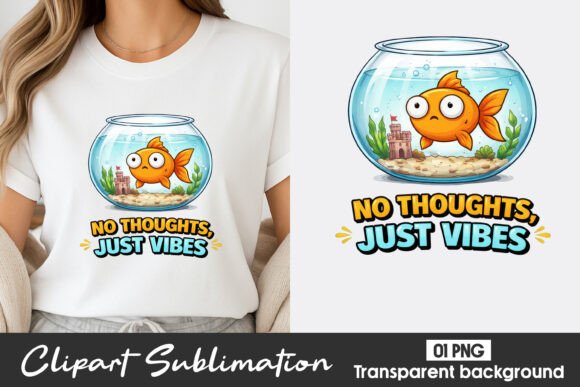
Goldfish Vibes Clipart PNG isn’t just another decorative graphic—it’s a high-fidelity, purpose-built visual tool engineered for clarity, consistency, and creative leverage. Each file is delivered as a transparent-background PNG at 300 DPI, ensuring crisp reproduction across digital interfaces and professional print applications alike. But resolution alone doesn’t define its value. What makes Goldfish Vibes Clipart PNG strategically useful is how it aligns with intentional communication goals—whether you’re reinforcing brand tone, simplifying complex ideas for learners, or adding subtle thematic resonance to customer-facing materials.
Why Context Matters More Than Aesthetic Appeal
A goldfish carries layered associations: calm focus, gentle persistence, adaptability in changing environments, and quiet resilience. When used without intention, those connotations dissolve into visual noise. But when anchored to a clear objective—say, illustrating mindfulness in an educator’s worksheet, signaling low-friction onboarding in a SaaS dashboard, or softening the tone of sustainability messaging in a small business newsletter—Goldfish Vibes Clipart PNG becomes a precision instrument. It supports meaning rather than merely filling space.
This distinction separates tactical use from strategic use. Tactical use drops the clipart into a layout because “it looks nice.” Strategic use asks: What feeling, idea, or action do I want this asset to support? That question transforms Goldfish Vibes Clipart PNG from decoration into design infrastructure.
Real-World Applications Across Roles and Goals
Different professionals deploy Goldfish Vibes Clipart PNG for distinct outcomes—each grounded in practical need, not trend-chasing:
- Freelancers & designers integrate it into client-brand style guides where aquatic calm complements wellness, education, or eco-conscious positioning—reducing the need for custom illustration while maintaining tonal coherence.
- Educators and curriculum developers use it to visually cue emotional regulation strategies in SEL resources, leveraging its non-threatening, approachable form to lower cognitive load for students processing abstract concepts like patience or attention.
- Small business owners apply it selectively in email headers, social banners, or printable signage—not as a logo replacement, but as a recurring motif that builds subconscious familiarity and signals values (e.g., balance, steady growth) without overt messaging.
- Bloggers and content creators embed it in infographics or step-by-step guides to break up text density and reinforce pacing—especially where themes of reflection, iteration, or mindful progress are central.
Notice what’s absent from these examples: forced relevance. Goldfish Vibes Clipart PNG isn’t meant for finance dashboards tracking volatility or cybersecurity alerts demanding urgency. Its strength lies in alignment—not universality.
Planning Your Use Before You Download
Before adding Goldfish Vibes Clipart PNG to your cart, pause and assess three dimensions:
- Goal congruence: Does the visual support a specific outcome—like reducing user anxiety in a self-serve help flow, or making a workshop handout feel more inviting? If the answer is vague (“It’s cute” or “Everyone uses fish”), reconsider timing or context.
- Consistency threshold: Will you use it more than once? Repeated, thoughtful application builds recognition. One-off usage rarely compounds value—and risks diluting your visual language.
- Production readiness: Since these are digital downloads (no physical items shipped), verify your workflow accommodates PNG files at 300 DPI. For web use, optimize exports to balance quality and load speed; for print, confirm your layout software preserves transparency and resolution integrity.
This isn’t gatekeeping—it’s stewardship. High-quality assets deserve high-intent deployment.
Risks of Unanchored Usage
Without grounding in purpose, Goldfish Vibes Clipart PNG can unintentionally undermine credibility. Consider these common missteps:
- Tonal mismatch: Placing it beside aggressive sales copy or high-stakes legal disclaimers creates dissonance—readers subconsciously register the disconnect, eroding trust in the message.
- Overuse fatigue: Repeating the same motif across unrelated contexts (e.g., invoices, error messages, promotional banners) blurs its meaning and weakens recall. Frequency without framing breeds indifference.
- Assumed universality: Not all audiences interpret aquatic symbolism identically. In some cultural or professional settings, goldfish may evoke fragility or oversight rather than calm. Test with representative users when deploying in sensitive or global-facing materials.
These aren’t flaws in the clipart—they’re reminders that even high-quality assets require contextual intelligence.
How to Integrate Thoughtfully—Not Just Frequently
Start small. Choose one upcoming project where tone, pace, or emotional resonance matters as much as information delivery. Ask yourself:
- Where might a subtle visual cue reduce friction or reinforce intent?
- Is there a moment where users might hesitate, skim, or disengage—and could Goldfish Vibes Clipart PNG gently reorient attention?
- Does this asset complement existing brand elements—or does it compete with them?
Then, apply it deliberately: size it intentionally (not default scale), position it to guide the eye—not distract from hierarchy, and pair it with copy that echoes its underlying theme (e.g., “Breathe. Reflect. Move forward.” alongside the image). That pairing multiplies impact far beyond standalone use.
Long-Term Value Lies in Discipline, Not Volume
The real ROI of Goldfish Vibes Clipart PNG emerges over time—not in how many files you own, but in how cohesively they serve your communication architecture. Think of it less like stock photography and more like a well-chosen typeface: its power grows when applied with restraint, logic, and continuity.
For entrepreneurs building scalable brands, that means documenting usage guidelines—not just “where to place it,” but why and what it should signal each time. For educators designing modular lesson kits, it means tagging assets by learning objective so future iterations stay aligned. For marketers auditing campaign assets, it means auditing whether visual motifs still reflect current audience needs—not just past preferences.
That level of intentionality turns a single download into a durable component of your creative infrastructure.
Final Consideration: It’s a Tool, Not a Strategy
Goldfish Vibes Clipart PNG won’t fix unclear messaging, compensate for inconsistent branding, or replace thoughtful audience research. But in the hands of someone who plans before placing, edits before exporting, and evaluates after publishing—it amplifies clarity. It supports decisions instead of substituting for them.
So thank you for putting it in your cart now—not as an impulse, but as a considered next step. And if you’re serious about building recognizable, resonant, and repeatable visual systems, following up ensures you’ll see updates that deepen utility: new variations calibrated for accessibility, expanded use-case templates, or integrations tested across CMS platforms and design tools.
Because great design isn’t about having more assets. It’s about knowing which ones earn their place—and why.